

Brookgreen Gardens
South Carolina
The Location
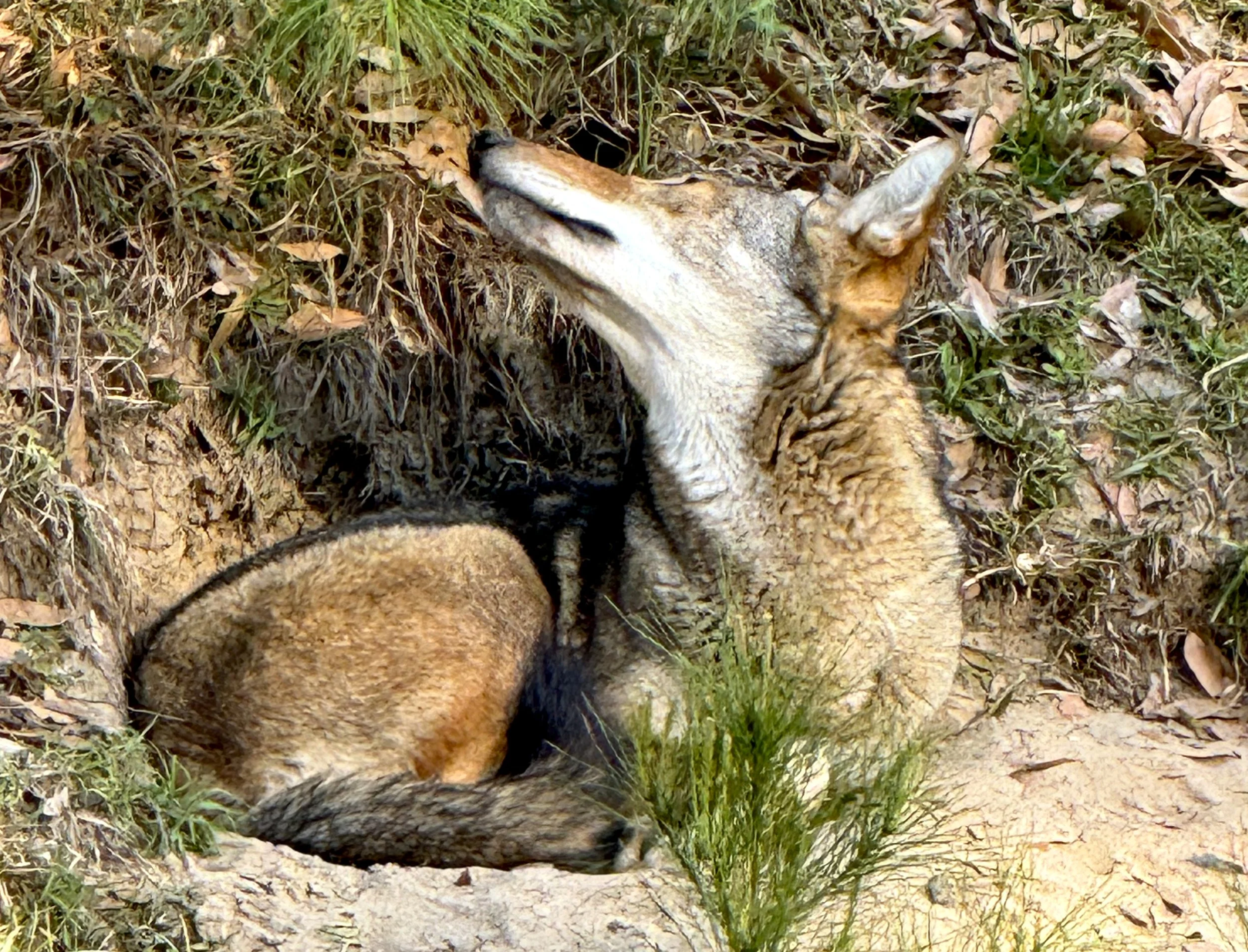
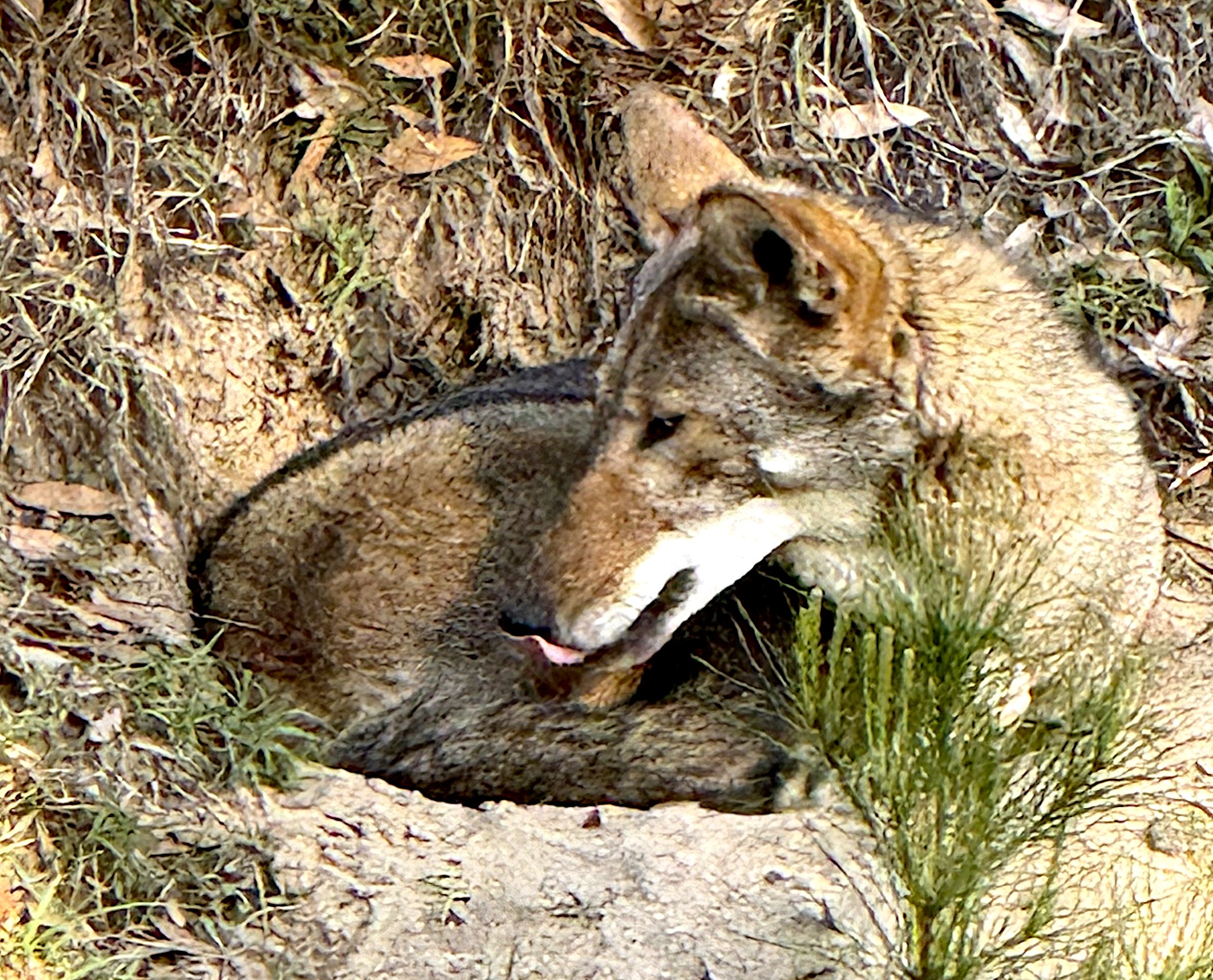
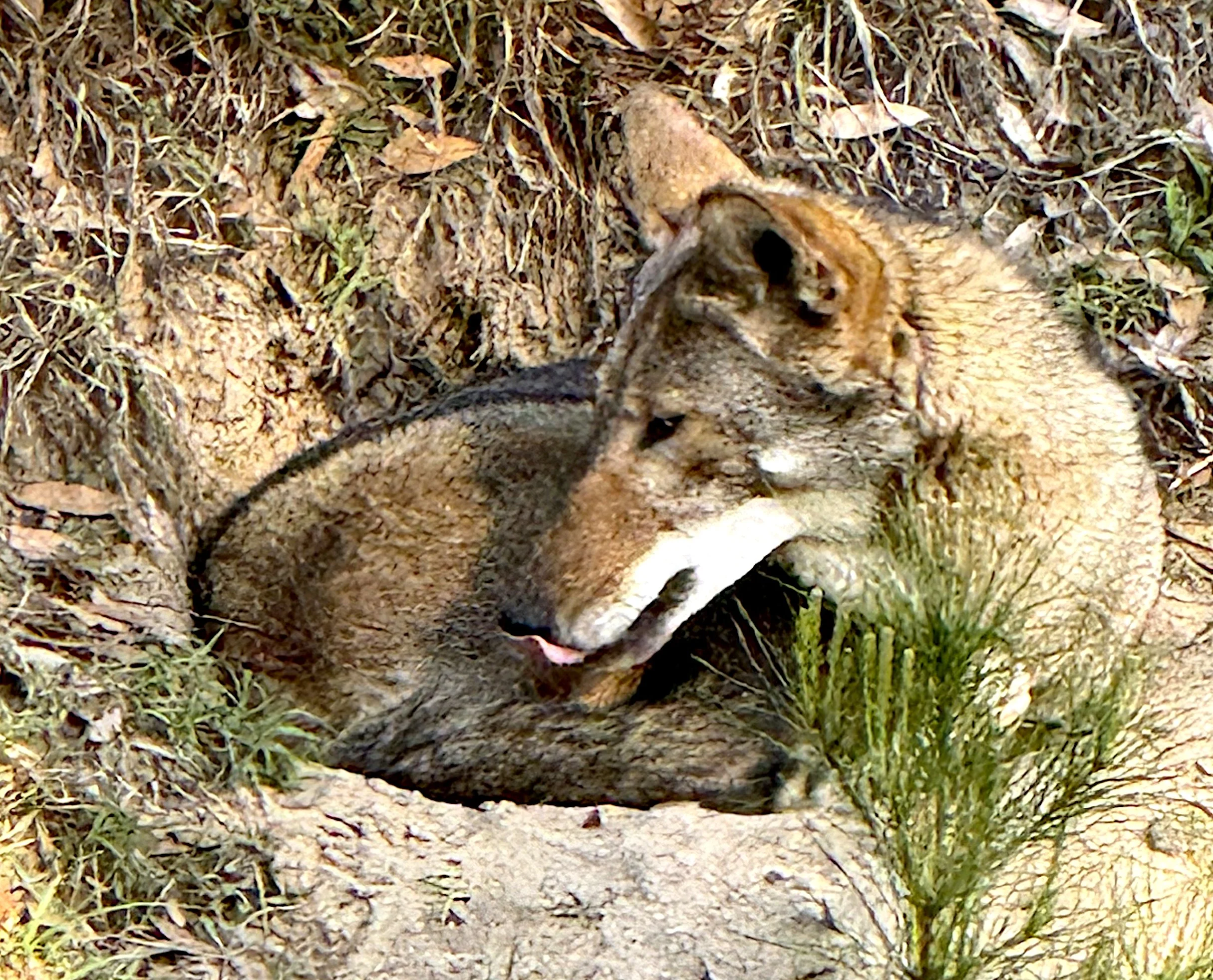
With fewer than 300 red wolves remaining in the world and only a handful living wild, Brookgreen’s Lowcountry Zoo — one of just five AZA-accredited institutions in South Carolina — plays a vital role in pulling this species back from the edge.
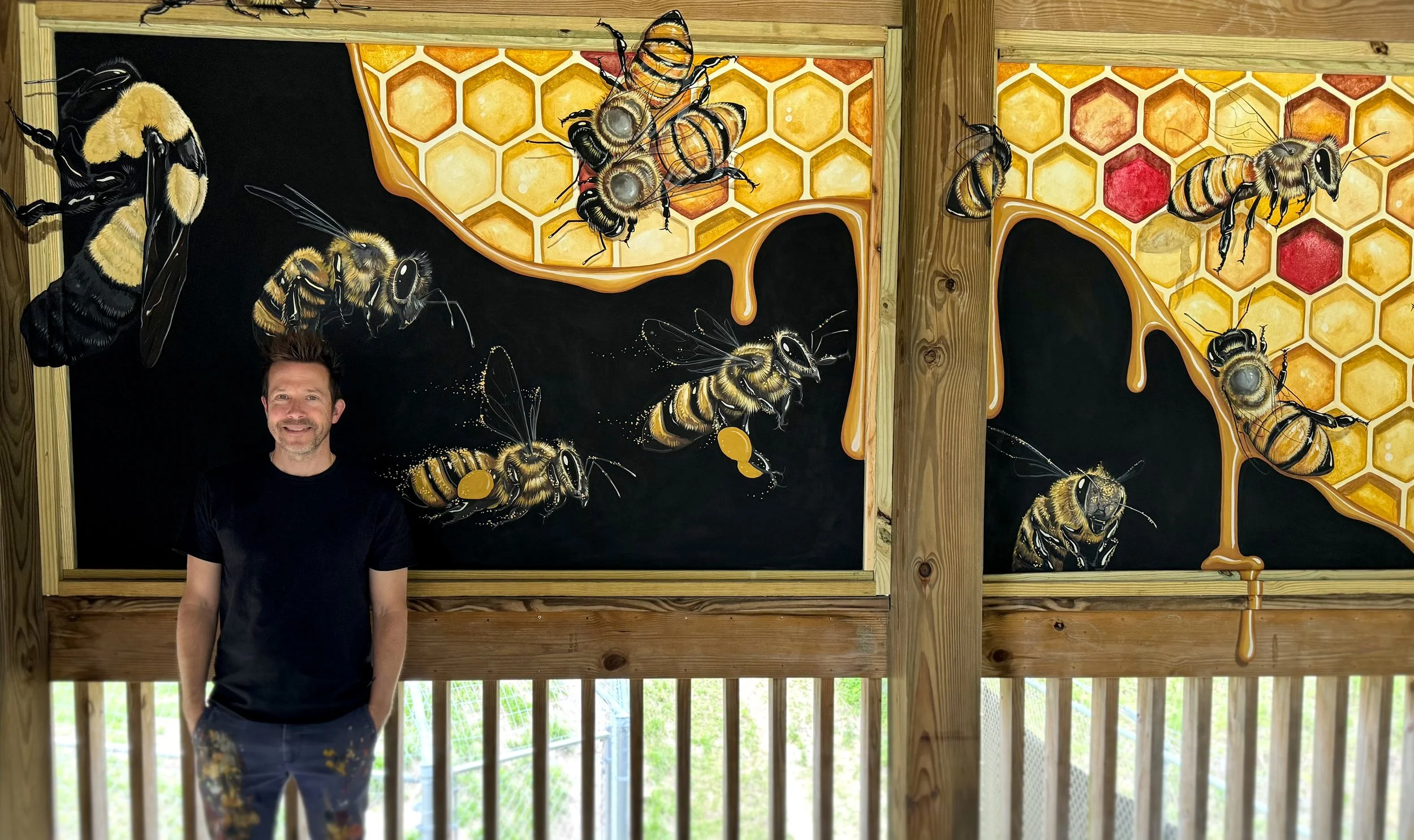
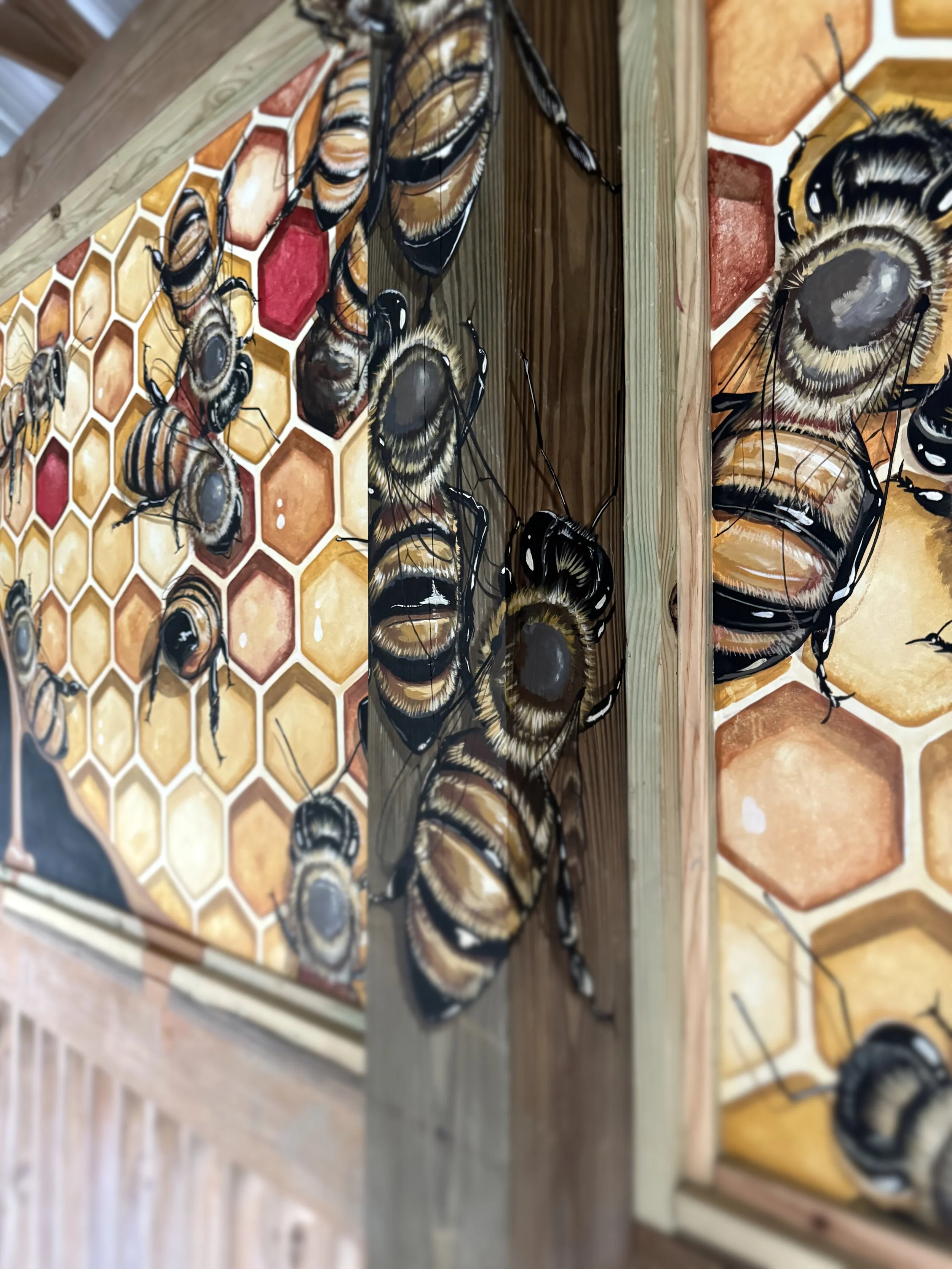
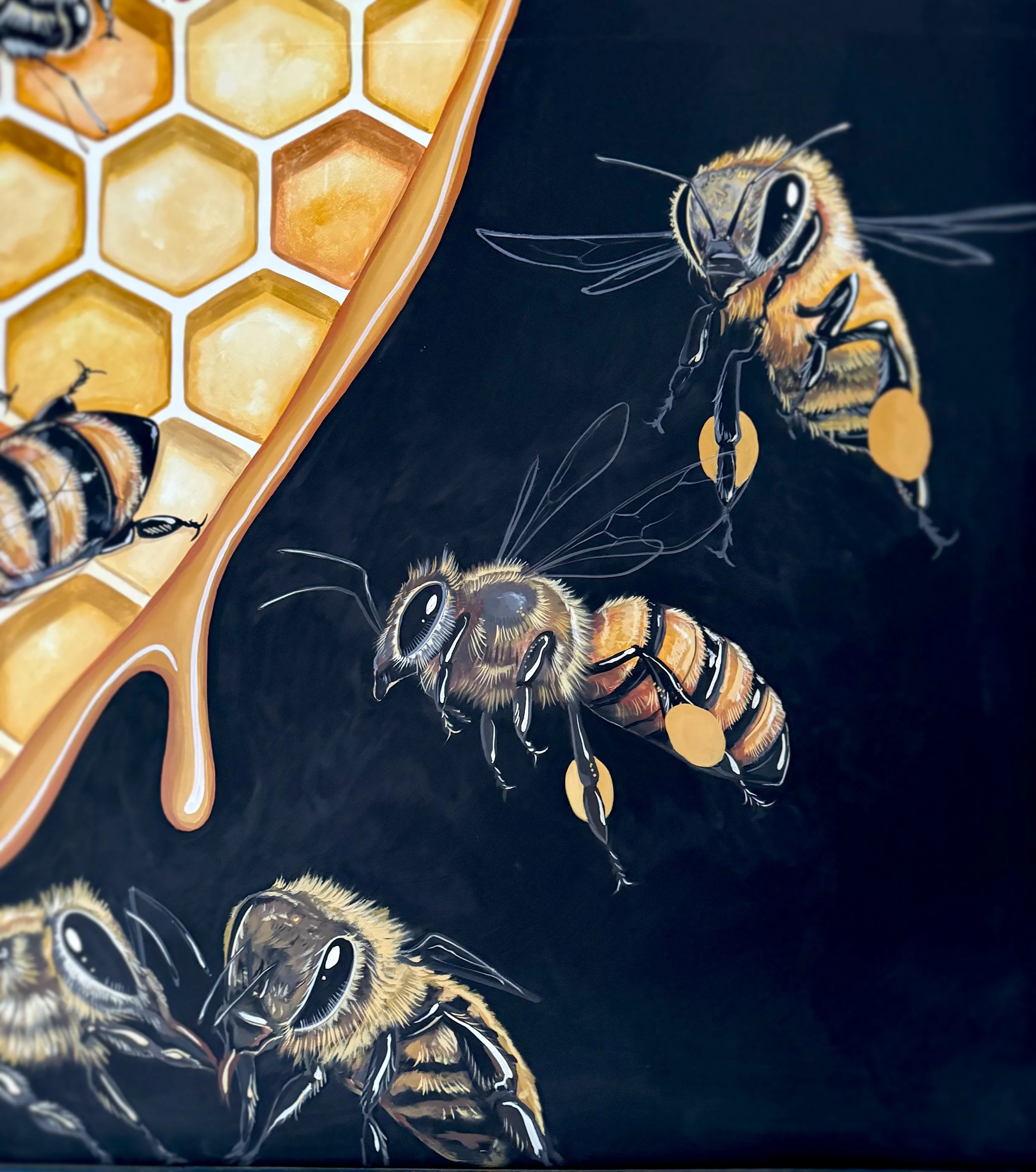
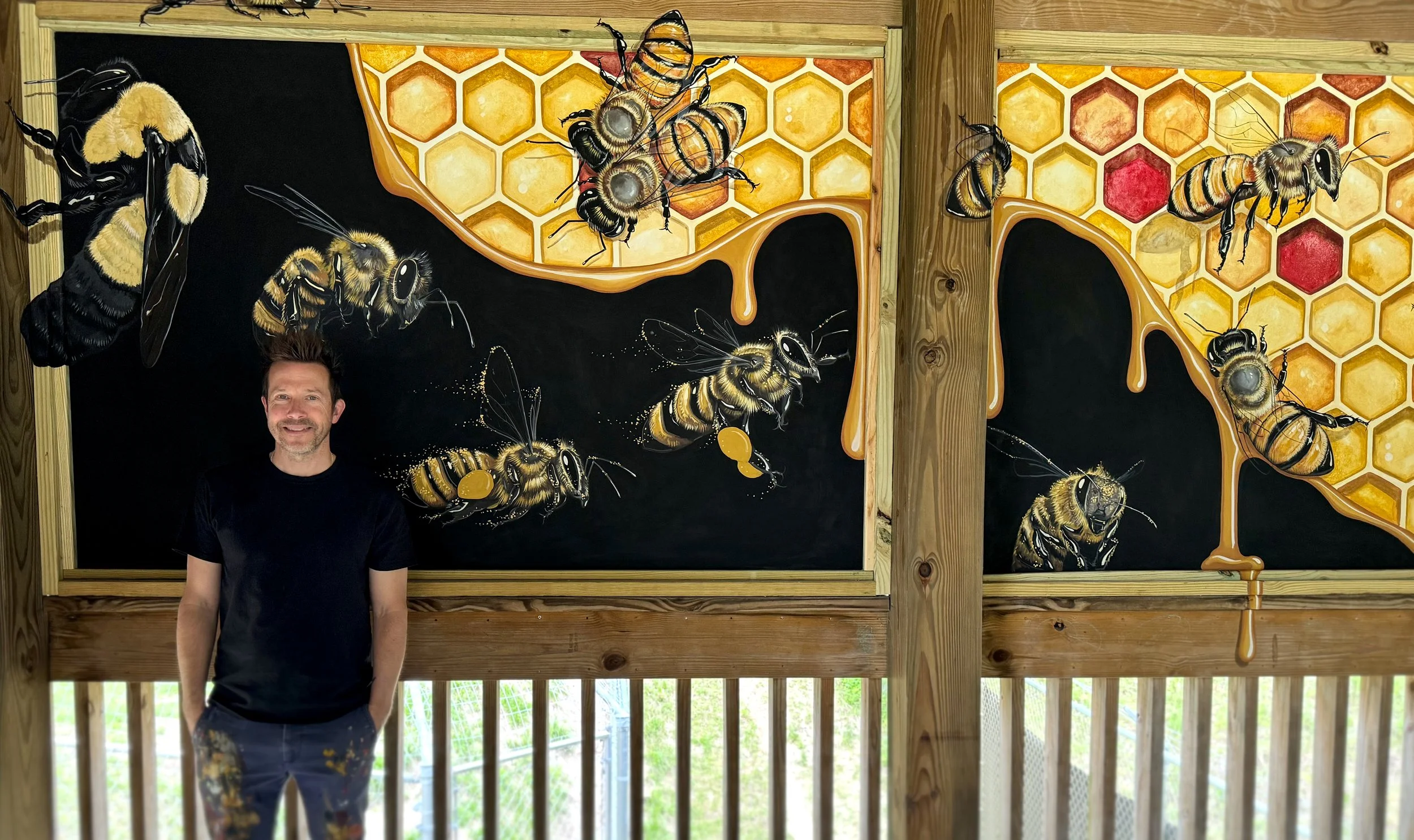
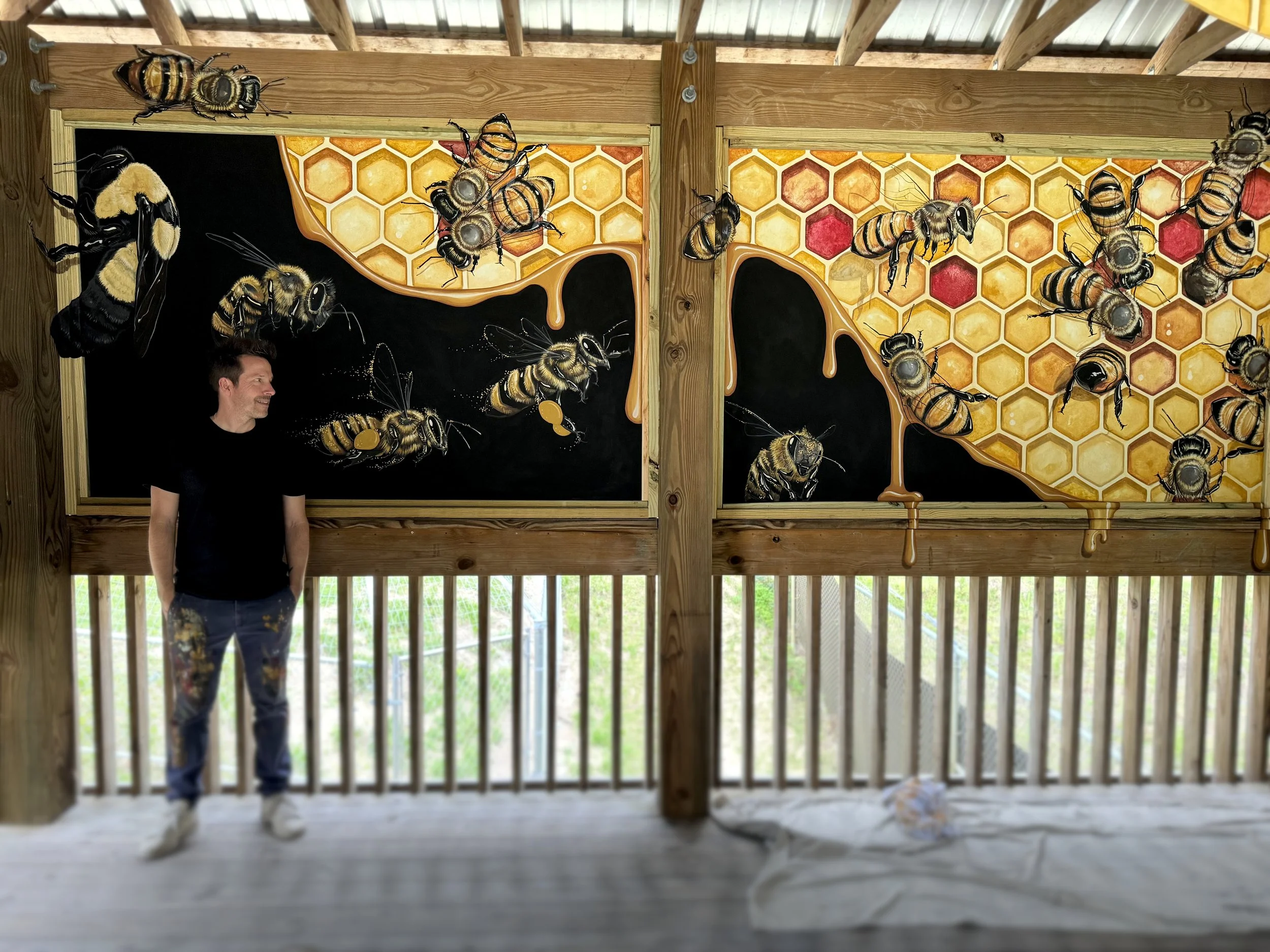
Matt’s mural arrived to help amplify that profound mission. Brookgreen called the project the “heartbeat of a global hive” and positioned the mural as an educational hub connecting visitors to both the Gardens’ own conservation campaign, “Buzzing for Change,” and to the broader story of planetary interdependence that has driven Matt’s work for over a decade. Where Red Wolf Ridge asks visitors to reckon with what we stand to lose, Matt’s bees — luminous, purposeful, painted one at a time by hand — remind us of everything we are fighting to keep AND that each of us play a vital role.
As an added bonus, he was joined by the mother daughter team, Alisa Esposito and Eden Lucash, two artist friends he worked with on the Red Wolf Recovery Center in Columbia, NC and the piece about native bird species in Costa Rica.
Alisa is the widow of Chris Lucash and Eden is his daughter. Chris was a major player in saving the Red Wolves from extinction and passed all too soon from ALS.
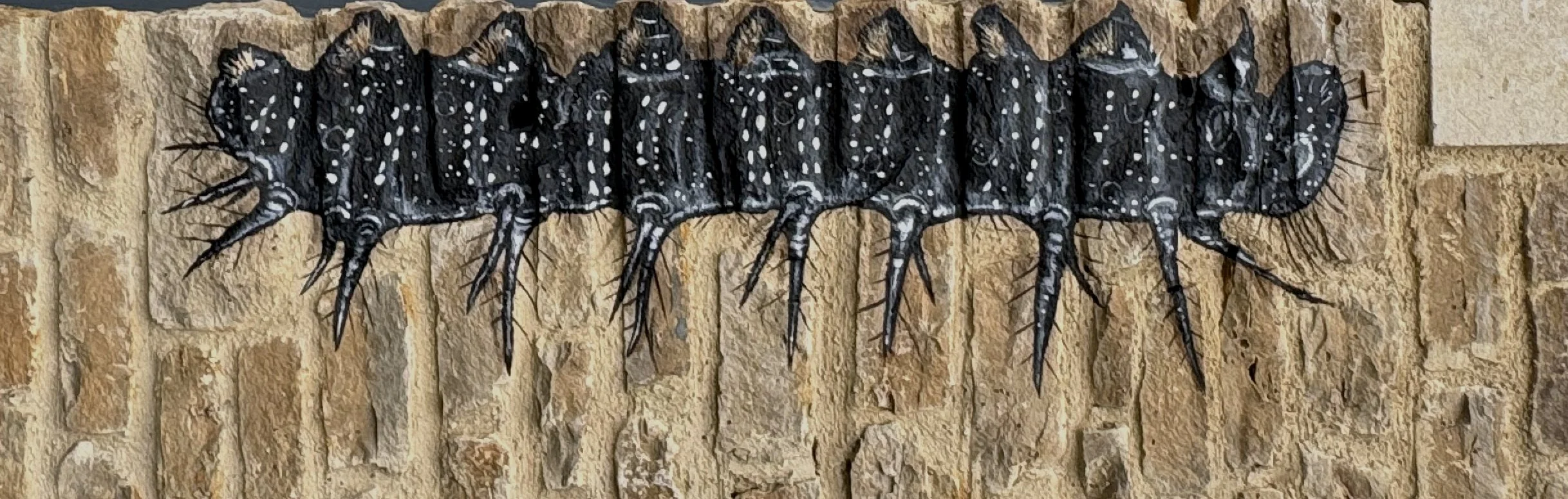
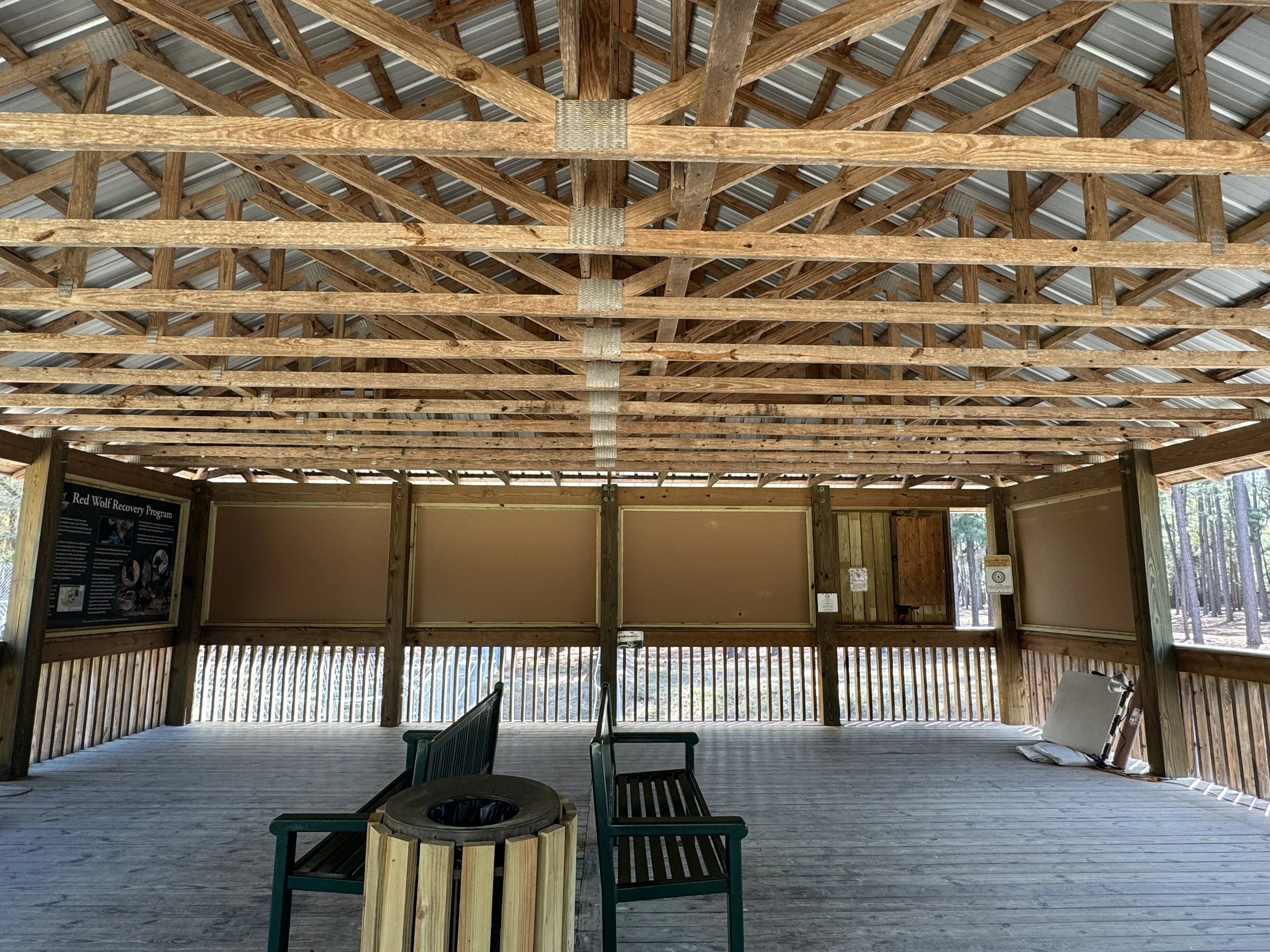
Scroll through the photo gallery below to view images from the project.
Why Honey Bees?
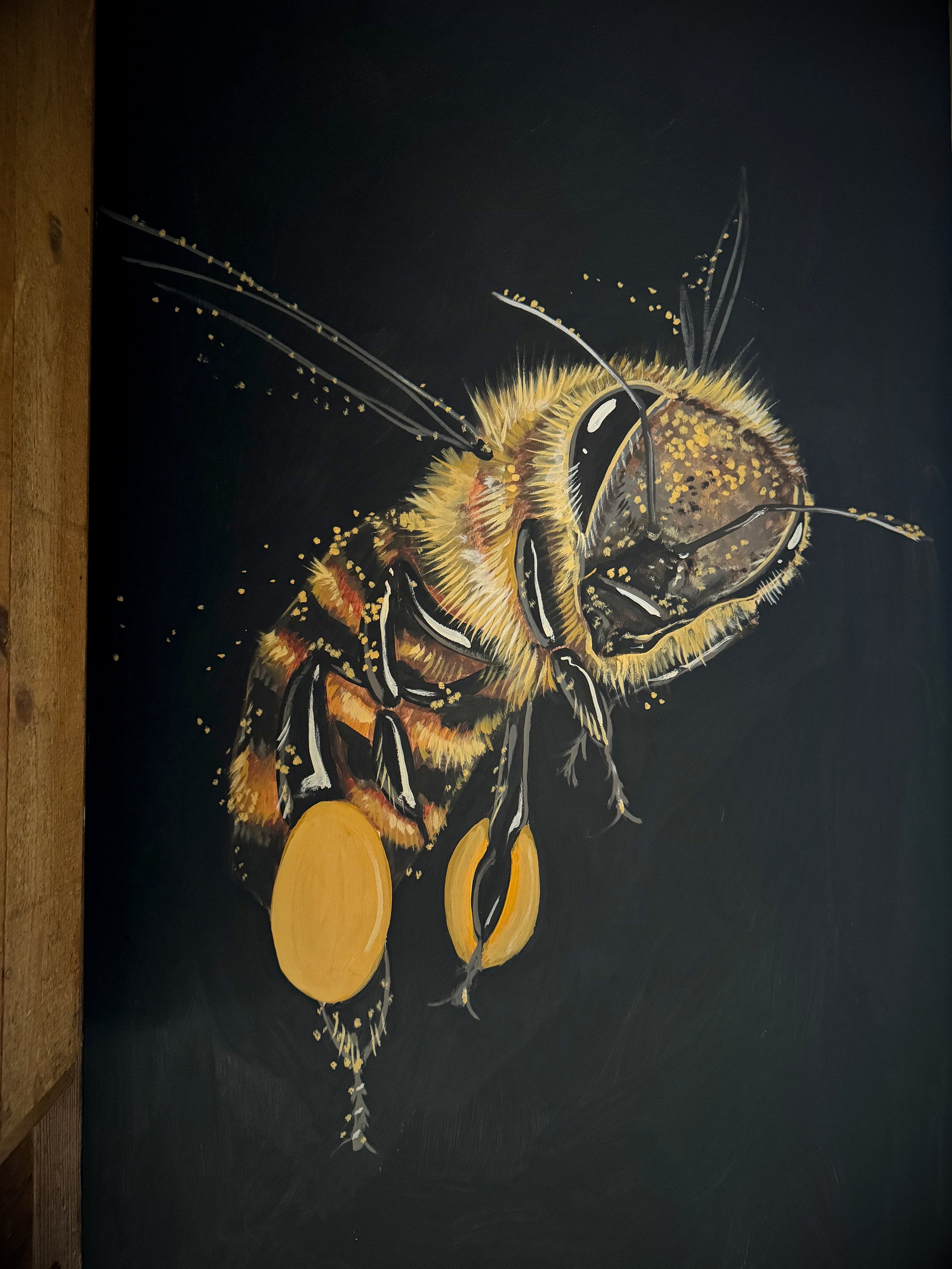
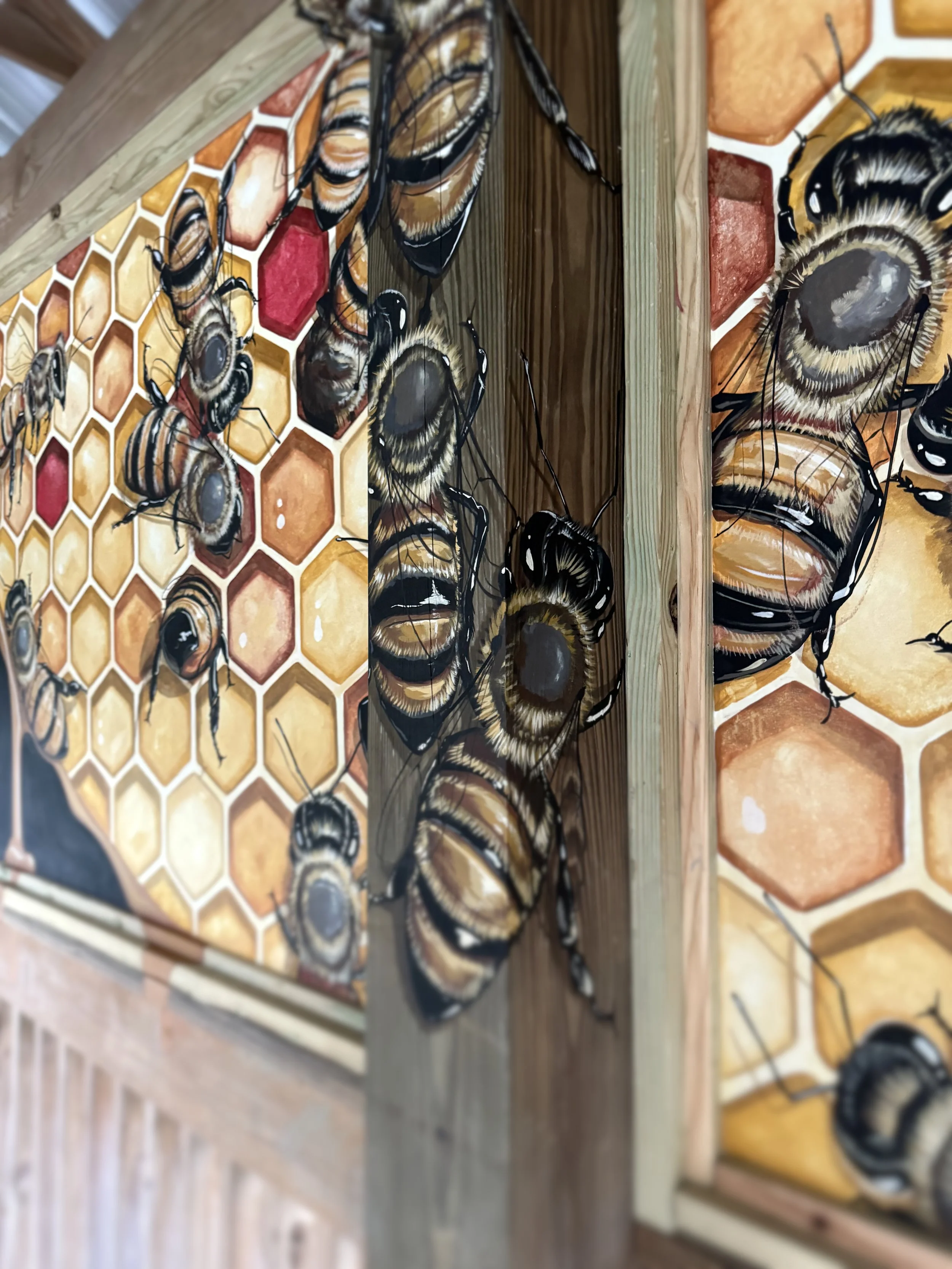
Both at Brookgreen Gardens and Utah’s Hogle Zoo in Salt Lake City, Matt has been asked to paint honey bees (a non-native species of bee) in native species exhibits. It brings up the question of why? For Matt, the idea is simple. Honey bees are in every neighborhood where humans are. It is about asking the tough questions about how to deal with change at a level where it would be very nearly impossible to rewind or remove. For Matt, his bees are a symbol for human activity and presence. The dominant human populations in many countries are “non-native” to those countries. Let’s talk about it.


